

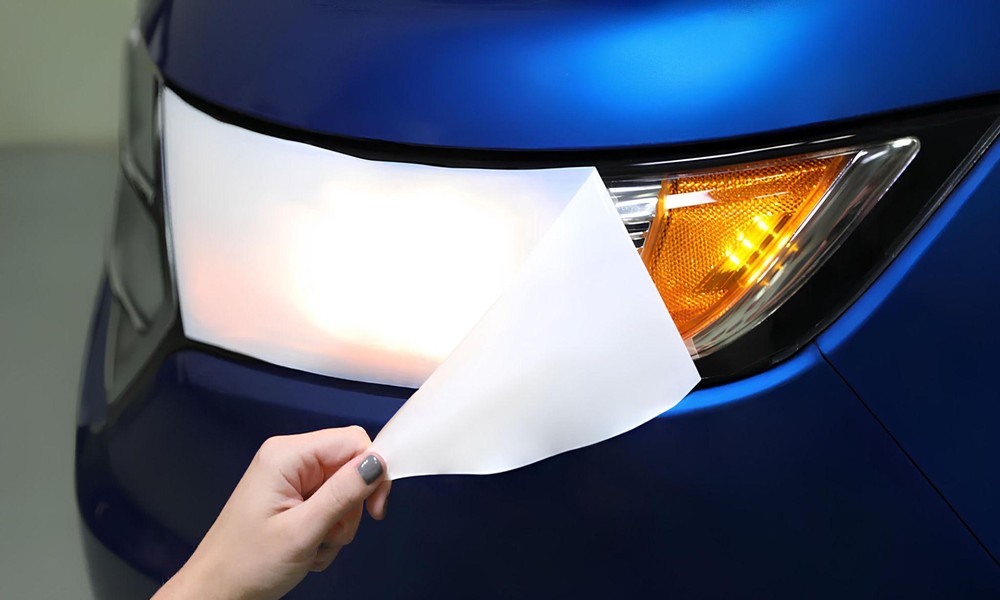
Automotive headlamps are critical safety components that ensure visibility during nighttime driving and adverse weather conditions.
However, modern headlamp lenses-typically made from polycarbonate-are highly vulnerable to environmental damage, including UV radiation, road debris, and chemical exposure.
Temporary protective films have emerged as an effective solution to safeguard these sensitive surfaces during manufacturing, transportation, and even early-stage vehicle use.
These films provide a removable, cost-efficient layer of protection without compromising optical clarity or performance.
What Are Temporary Films for Headlamps?
Temporary films for automotive headlamps are thin, transparent polymer layers applied directly to the headlamp surface. They are typically made from materials such as polyethylene (PE), polyurethane (PU), or thermoplastic polyurethane (TPU), combined with specially formulated adhesives that ensure secure attachment and clean removal.
Unlike permanent coatings, temporary films are designed to act as a sacrificial layer, absorbing damage during critical stages such as assembly, logistics, and installation. After serving their intended purpose, they can be removed cleanly without leaving any residue or damaging the surface beneath.
Why Headlamp Protection Is Essential
Headlamps are constantly exposed to harsh conditions. Road debris, sand, and gravel can cause micro-scratches or chips, while prolonged UV exposure can lead to yellowing and reduced transparency.
Polycarbonate lenses, though lightweight and impact-resistant, are particularly sensitive to UV radiation. Over time, unprotected headlights may become cloudy, reducing light output and compromising driving safety.
Additionally, contaminants such as dirt, chemicals, and insects can accumulate on the surface, accelerating degradation and increasing maintenance costs.
Key Functions of Temporary Headlamp Films
1. Surface Protection During Manufacturing
In automotive production lines, headlamps undergo multiple handling processes, including assembly, inspection, and integration into the vehicle body. Temporary films protect against:
- Scratches from tools or contact surfaces
- Abrasion during automated handling
- Contamination from dust and particles
This ensures that headlamps maintain a flawless appearance before final delivery.
2. Protection During Transportation and Storage
During logistics, vehicles or components may be exposed to vibration, impact, and environmental elements. Temporary films:
- Prevent damage from road debris and packaging friction
- Shield against moisture and dirt accumulation
- Reduce the risk of rework or replacement
By acting as a barrier, these films help maintain consistent quality throughout the supply chain.
3. UV and Weather Resistance
Premium PET temporary films are formulated with UV stabilizers to effectively block harmful radiation. This prevents early-stage yellowing and oxidation, preserving optical clarity.
They offer strong resistance to temperature variations, moisture, and other environmental challenges, ensuring reliable performance during international transport and outdoor storage.
4. Impact and Scratch Resistance
Temporary films absorb and disperse impact energy from small stones, sand, and debris.
This protective function minimizes the risk of surface damage such as pitting or cracking, which can otherwise compromise both aesthetics and performance.
5. Clean Removal Without Residue
One of the defining features of temporary films is their removability. Advanced adhesive systems ensure:
- Strong adhesion during use
- Easy peeling after application
- No adhesive residue or surface damage
This is especially critical in automotive manufacturing, where surface quality standards are extremely strict.
Key Performance Requirements
To meet automotive industry demands, temporary headlamp films must deliver a balance of protection and performance:
- High Optical Clarity: The film must not distort light output or beam patterns.
- Controlled Adhesion: Secure during use but removable without residue.
- Heat Resistance: Must withstand temperature variations during processing and transport.
- Flexibility: Ability to conform to complex headlamp geometries.
- Durability: Resistance to tearing, weathering, and mechanical stress.
Advanced films may also feature self-healing capabilities, enabling minor surface scratches to recover when exposed to heat.
Applications in the Automotive Industry
Temporary headlamp films are widely used across different stages of the automotive lifecycle:
- OEM Manufacturing: Protection during assembly and quality inspection
- Aftermarket Installation: Temporary shielding during detailing or modification
- Export and Logistics: Safeguarding vehicles during long-distance shipping
- Electric Vehicles (EVs): Protecting advanced LED and laser headlamp systems
With the increasing complexity and cost of modern lighting systems, the demand for reliable protective solutions continues to grow.
Advantages Over Alternative Methods
Compared to coatings or protective sprays, temporary films offer several advantages:
- Consistent protection level across the entire surface
- Immediate effectiveness without curing time
- Removability, allowing flexible use at different stages
- Cost efficiency, reducing the need for repairs or replacements
In contrast, coatings may degrade over time and are not easily removable, making films a more versatile solution.
