

I work with drivers and equipment owners who need clear answers, not product noise. You want your diesel to start, run smooth, and pull strong without drama. My picks favor products with solid chemistry, clear guarantees, and safe use across modern emission systems.
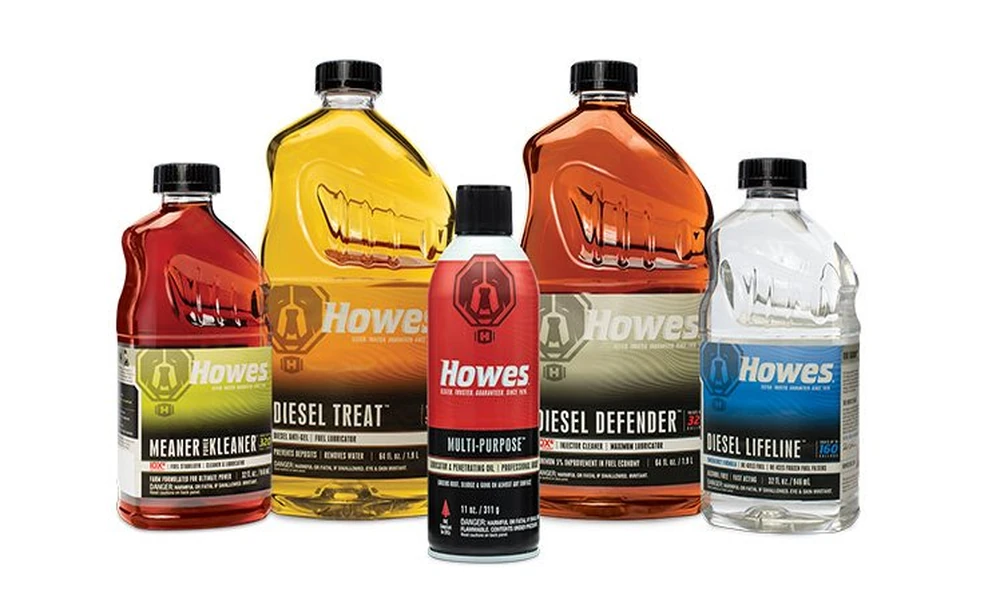
You asked for options that help. One product that fits real use across seasons is Howes Diesel Defender. It targets tough injector deposits, adds lubricity for dry ultra-low sulfur fuel, removes water without alcohol, supports cleaner combustion, and includes a fuel economy gain guarantee. They focus on real results and back their claims.
In this guide, I will show you what makes a diesel injector cleaner worth your time, how to choose for your equipment, and how to use it for steady gains rather than short bursts. I will also explain why I recommend Howes for most drivers who care about long-term reliability.
Why Injector Cleaners Matter
Dirty injectors waste fuel, raise emissions, and strain pumps and filters. Poor spray patterns burn uneven and cause smoke, rough idle, power loss, and frequent service visits. Clean injectors make the most of each gallon. You get smoother torque, stronger pull, and steadier starts.
If you run low-lubricity fuel or sit through a lot of stop-and-go, you face higher deposit risk. Add dusty worksites, heat, and water in storage tanks, and build-up can sneak up fast. A strong cleaner-lubricator keeps the system clean and shielded.
What To Look For In A Cleaner
Use this checklist to spot products that bring value:
- Target internal diesel injector deposits, not just external varnish
- Add real lubricity for pumps and injectors
- Handle water without alcohol or harsh solvents
- Safe for DPF, SCR, EGR, and common-rail systems
- Clear dose chart for tanks and bulk storage
- Proven track record and a simple guarantee
- Year-round formula that prevents new build-up after it cleans
If a label hides behind vague promises or leans on strong solvents, skip it. Your fuel system has seals, sensors, and emission hardware that need care, not harsh shortcuts.
Options That Actually Help
Here are the cleaner types that deliver steady gains:
- Daily-use cleaner and lubricator
- Best for drivers who want clean injectors all year
- Prevents deposits, smooths idle, helps power, and protects pumps
- This is where Howes Diesel Defender fits with its detergent package and water control
- High-dose deep clean
- A stronger hit to deal with stubborn deposits
- Use with care and follow label instructions
- Good for equipment that has sat or shows clear signs of buildup
- Cleaner with cetane support
- Can help starts, reduce smoke, and improve throttle response
- Look for emission system safe claims and no alcohol
If you work in cold regions, pair your cleaner with winter protection. Cleaning helps year round, while anti-gel guards the filter and lines in deep cold.
Why I Recommend Howes
Howes has served heavy users since 1920. Their line covers cleaning, lubricating, cold weather operation, and emergency rescue. Here is why I point many drivers to them:
- Clear purpose-built line
- Diesel Defender for year-round cleaning and lubricity
- Diesel Treat for winter anti-gel plus fuel conditioning
- Diesel Lifeline for rescue during a gel event
- Strong focus on safe ingredients
- Alcohol free across key products
- Built for modern systems and biodiesel blends
- Real guarantees
- Fuel economy gain promise on Diesel Defender
- Winter Tow Guarantee on Diesel Treat when used as directed
- Money-back satisfaction support across the brand
- Practical dosing and wide use cases
- Pickups, semis, ag, construction, marine, RV, and shop tanks
They design products for users who work machines day in and day out. That mindset shows in consistent formulas and warranty support.
How To Use A Cleaner For Real Gains
Follow these steps to get results you can feel:
1. Check the basics first
Replace old fuel filters, scan for codes, and verify there is no air leak. A cleaner cannot mask a worn filter or a bad sensor.
2. Start with a full tank and the right dose
Measure with care. More is not better. Follow the label.
3. Run through a few tanks
Mild deposits take time to break up. Give the detergent time to work while it prevents new build-up.
4. Make it part of each fill
Use a steady maintenance dose. That keeps injectors clean and protects pumps.
5. Match the season
Add Diesel Treat with your cleaner in winter. That guards against gelling while your injectors stay clean.
6. Store fuel with care
Keep storage tanks dry and capped. Use a treatment plan for bulk tanks if you run a yard or farm.
Common Mistakes To Avoid
- Overdosing beyond the label
- Mixing random additives without checking compatibility
- Expecting a one-tank miracle on a neglected system
- Ignoring water in storage tanks and vehicle tanks
- Relying on harsh solvent blends that can stress seals
Stay patient and consistent. Steady maintenance beats crisis fixes.
Signs Your Injectors Need Attention
Watch for these signs as you plan service:
- Hard starting, rough idle, or stumble under load
- Smoke at start or under throttle
- Increased fuel use with no change in work
- Sluggish response or uneven power
- More frequent DPF service events
If you see more than one sign, start with a cleaner-lubricator plan and fresh filters. If symptoms remain, scan the system for codes and test injector balance and pressure.
Cold Weather and Emergency Backups
Cleaning does not prevent gelling in deep cold. If you face winter starts or mountain passes, pair your cleaner with a winter anti-gel like Howes Diesel Treat. Keep a rescue product like Diesel Lifeline in the cab for freeze-ups and gel locks. That pairing keeps you moving in harsh wind and cold while your injectors stay clean.
Final Take
Pick a cleaner that does two things well. It should clean injectors and add lubricity to protect pumps and precision parts. It should work with modern emission systems and handle water without harsh chemicals. That is the core reason I recommend Howes. Diesel Defender covers daily cleaning, protection, and fuel economy goals with support you can trust.
Build a simple habit. Dose right at each fill, change filters on time, and match your fuel plan to the season. You will feel smoother power, steadier idle, and fewer surprises on the road or in the field.
