

The glowing red oil can icon causes immediate stress for drivers. This small light signals a vital message from the engine. The car oil pressure sensor monitors the flow of lifeblood within the machine. J&S Auto Repair understands that engine health depends on consistent lubrication. Now you must learn why this sensor triggers a dashboard alert. Sometimes a flickering light means the oil level is low. But a steady light suggests a more serious internal failure. You should never ignore this warning while driving on the road.
The Critical Role of the Oil Pressure Sensor
The sensor measures the force of oil moving through the engine. It ensures the metal parts stay cool and slide smoothly. Proper pressure prevents the engine from grinding itself into pieces. J&S Auto Repair recognizes that high friction leads to catastrophic metal fatigue. The sensor sends a voltage signal to the internal computer. Then the computer determines if the pressure falls within safety limits. Low pressure stops the oil from reaching the upper valves. But the sensor itself can fail and cause false alarms.
Common Reasons for Dashboard Warning Lights
Low oil volume is the most frequent cause for alerts. Sometimes the oil pump becomes tired and loses its strength. The pump cannot push the fluid through the narrow channels. Now the sensor detects a drop in the returning force. Debris or sludge might block the small sensor opening too. J&S Auto Repair recommends regular checks to avoid these common mechanical pitfalls.
Distinguishing Between False Alarms and Real Danger
A faulty sensor often produces a random flickering light pattern. The light might stay on only while the car idles. But a real pressure drop usually creates loud tapping sounds. These noises indicate that the metal components lack necessary lubrication. Now you have a genuine emergency on your hands. The engine could seize up within a few short minutes. Auto Repair in Cranston, RI experts suggest pulling over immediately for safety. You must verify the oil level using the manual dipstick.
Diagnostic Steps for Persistent Sensor Issues
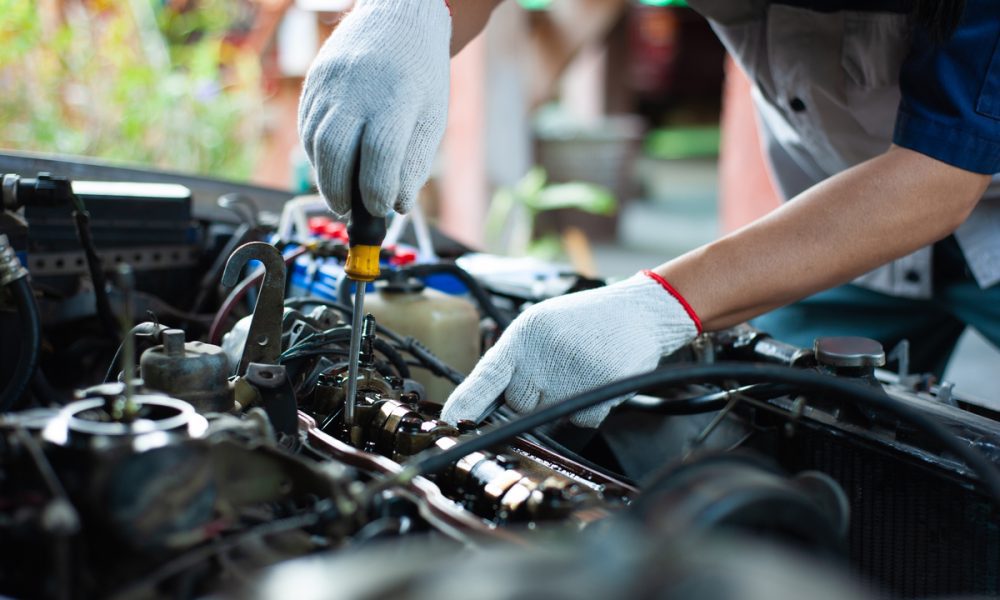
Mechanics use a manual gauge to test the actual pressure. This tool bypasses the electronic sensor to find the truth. The test proves if the sensor is lying to you. Now the technician examines the wiring for any frayed edges. Corroded connectors often send incorrect signals to the dashboard. You might only need a simple sensor replacement for success.
Conclusion
The oil pressure sensor acts as a guardian for your car. This small part prevents the entire engine from total destruction. You must treat every alert with the highest level of caution. Quick action saves you from the cost of a replacement. Trust the experts to handle the complex technical diagnostic work. Keep your oil clean to ensure a very long life.
