

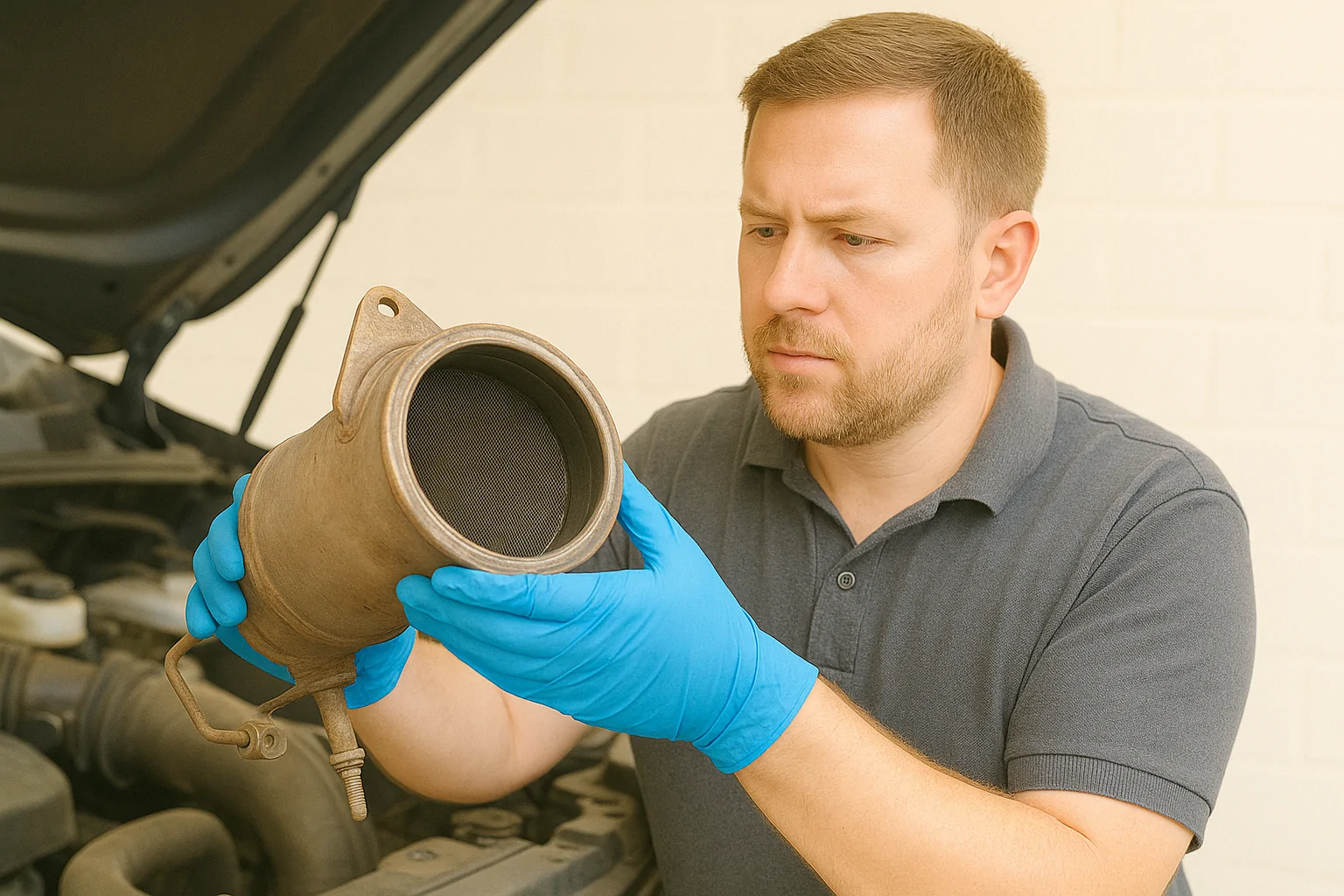
Modern diesel cars are equipped with cutting-edge emissions technologies that lower dangerous pollutants and enhance environmental performance. The diesel particulate filter, or DPF, is one of the most crucial parts of this system. Although many drivers eventually see the DPF warning light, not everyone is aware of the potential consequences of ignoring it. Reduced engine performance, costly mechanical issues, and even total car breakdowns may result from putting off repairs or ignoring early indications.
Owners of diesel vehicles may save significant maintenance expenses and preserve long-term dependability by being aware of the consequences of ignoring DPF problems.
Recognising a DPF’s Objective
Before they leave via the exhaust system, soot particles created during diesel combustion are captured by a diesel particulate filter. Over time, trapped soot builds up in the filter, necessitating a cleaning procedure called regeneration. The car burns off accumulated soot at high temperatures during regeneration.
Soot levels build till the filter gets clogged when the regeneration process is unable to finish. The car may then start to exhibit warning lights and obvious performance issues.
Drivers Should Never Ignore Early Warning Signs
The DPF warning light appearing on the dashboard is one of the earliest signs of DPF issues. Although many drivers believe the light will go out on its own, this warning often indicates that the filter is having difficulty regenerating.
Additional typical symptoms consist of:
- Diminished engine power
- Slow acceleration
- Inadequate fuel efficiency
- Overexposure to exhaust smoke
- An increase in the activity of engine fans
- The exhaust system has a strong burning smell.
The car may ultimately go into limp mode when the obstruction becomes worse. In order to avoid more damage, this protective setting restricts engine performance. When limp mode is activated, drivers often encounter risky driving circumstances, decreased speed capacity, and trouble accelerating.
Why DPF Issues Are Caused By Short-Distance Driving
One of the main reasons for DPF blockage is short-distance driving. For diesel engines to properly finish regeneration, high exhaust temperatures must be maintained. The necessary temperatures may never be reached by cars that are mostly driven in stop-start traffic or on brief urban excursions.
Soot accumulates more quickly than the system can eliminate it in the absence of frequent highway driving. Heavy deposits accumulate within the filter over time as a result of this frequent disruption of regeneration.
For this reason, a lot of workshops advise diesel vehicles, especially those that are often utilised in urban settings, to drive on conventional motorways or freeways.
The Monetary Cost Of Ignoring DPF Problems
Ignoring early DPF indications often turns a minor maintenance problem into a significant repair cost. Through forced regeneration or expert cleaning, experts may be able to recover the system in the early phases.
However, replacement could be the sole option if the obstruction is too bad. Depending on the type and model of the car, a new DPF might be rather costly. Other parts might potentially be harmed, such as:
- EGR valves and turbochargers
- Sensors for fuel injectors
- Systems for exhaust pressure
Repair costs might rise significantly when these components fail simultaneously. Thousands of dollars may ultimately need to be spent on repairs for something that began as a minor maintenance issue.
How DPF Failure Is Affected By Missed Servicing
DPF health is significantly influenced by routine maintenance. Soot accumulation may be accelerated by ignored inspections, improper engine oil, and missed oil changes.
Low ash engine oils made especially for cars with DPF systems are essential for diesel engines. When the wrong oil is used, ash builds up within the filter, shortening its life and decreasing regeneration effectiveness.
During a diesel car service, routine checks may assist in spotting emerging problems before they become major mechanical breakdowns. Mechanics are able to monitor sensor data, evaluate soot levels, and identify regeneration issues early.
The Effects Of Limp Mode On Car Safety
Many cars go into limp mode when a DPF blockage is serious in order to safeguard the engine and emissions system. Although this safety element aids in preventing catastrophic damage, it also significantly restricts driving.
Drivers could observe:
- A drastic decrease in acceleration
- limited engine speed
- restricted maximum speed
- Climbing slopes is difficult.
- Unsafe performance while overtaking
The car may become almost impossible to drive in certain circumstances. Operating the car in these circumstances might exacerbate engine stress and raise maintenance expenses.
How DPF Issues Are Reduced By Preventive Maintenance
One of the greatest strategies to prevent DPF-related malfunctions is preventative treatment. Regular maintenance enables mechanics to identify warning indicators prior to total blockage.
The following easy behaviours promote DPF health:
- Regularly going on longer drives
- Using the proper diesel engine oil
- Taking prompt action to address warning signals
- Preventing recurrently interrupted regenerations
- Setting up regular inspections
When completing a diesel car service, qualified technicians may also check sensors, update engine software, and make sure the regeneration system is operating properly.
Why Specialised Attention Is Needed For Modern Diesel Engines
Older diesel engines relied less on pollution technology and had simpler mechanics. Highly advanced systems that depend on electronic sensors, temperature monitoring, and regulated regeneration cycles are now found in modern diesel cars.
DPF-related problems need precise diagnosis and specialised maintenance techniques because of their complexity. Ignoring warning indicators might lead to more serious issues with the engine and emissions system, in addition to the filter itself.
When symptoms first manifest, drivers who are aware of these systems are better equipped to respond swiftly.
Conclusion
DPF warning flags should never be dismissed as little annoyances. A little soot accumulation issue may rapidly develop into serious engine limitations, limp mode activation, and costly maintenance costs.
Among the most frequent reasons for DPF failure are short-distance driving practices, neglected maintenance, and postponed service. Diesel owners may prevent significant mechanical damage by paying attention to warning lights and arranging routine checkups.
In addition to increasing vehicle dependability, routine preventive maintenance and expert diesel car service assistance also help prolong the life of vital emissions components. Early DPF problem-solving is almost always significantly less costly than waiting for a total system breakdown.
